Expert Chimney Repairs Hammersmith: What Every Homeowner Should Know
Why Chimney Repairs Matter in Hammersmith
Living in Hammersmith means dealing with weather that can be hard on a house. I have spent years working on roofs across the area, and one thing I see again and again is chimney damage that sneaks up on people. A chimney might look solid from the street, but the elements here can cause hidden problems. Rain, wind, and frost work away at the brickwork and mortar. Over time, small cracks turn into leaks, and those leaks can lead to serious issues inside your home.
I remember a job in a terraced house near the Broadway where the owners had no idea their chimney was letting water in. They only noticed when damp patches appeared on the bedroom ceiling. By then, the flaunching around the chimney pot had crumbled, and the flue liner was exposed. That kind of damage does not fix itself. It needs proper chimney repairs Hammersmith homeowners can rely on.
The Main Parts of a Chimney That Fail
Chimneys are built from several components, and each one can wear out. The chimney pot is the most visible part. It sticks up above the roofline and takes the brunt of the weather. Over time, the mortar that holds it in place can crack. That mortar is called flaunching, and when it goes, the pot can wobble or even fall. I have seen chimney pots leaning at dangerous angles after a storm. That is not something to ignore.
Below the pot, the flue liner runs down inside the chimney. It channels smoke and gases out of the house. If the liner gets damaged, you might not see it from outside, but the effects show up inside. Damp patches, a smell of smoke in the room, or even carbon monoxide entering your living space. That is a serious risk. Every chimney should have a bird guard fitted at the top. Birds and debris can block the flue, and a blocked flue can push carbon monoxide back into your home.
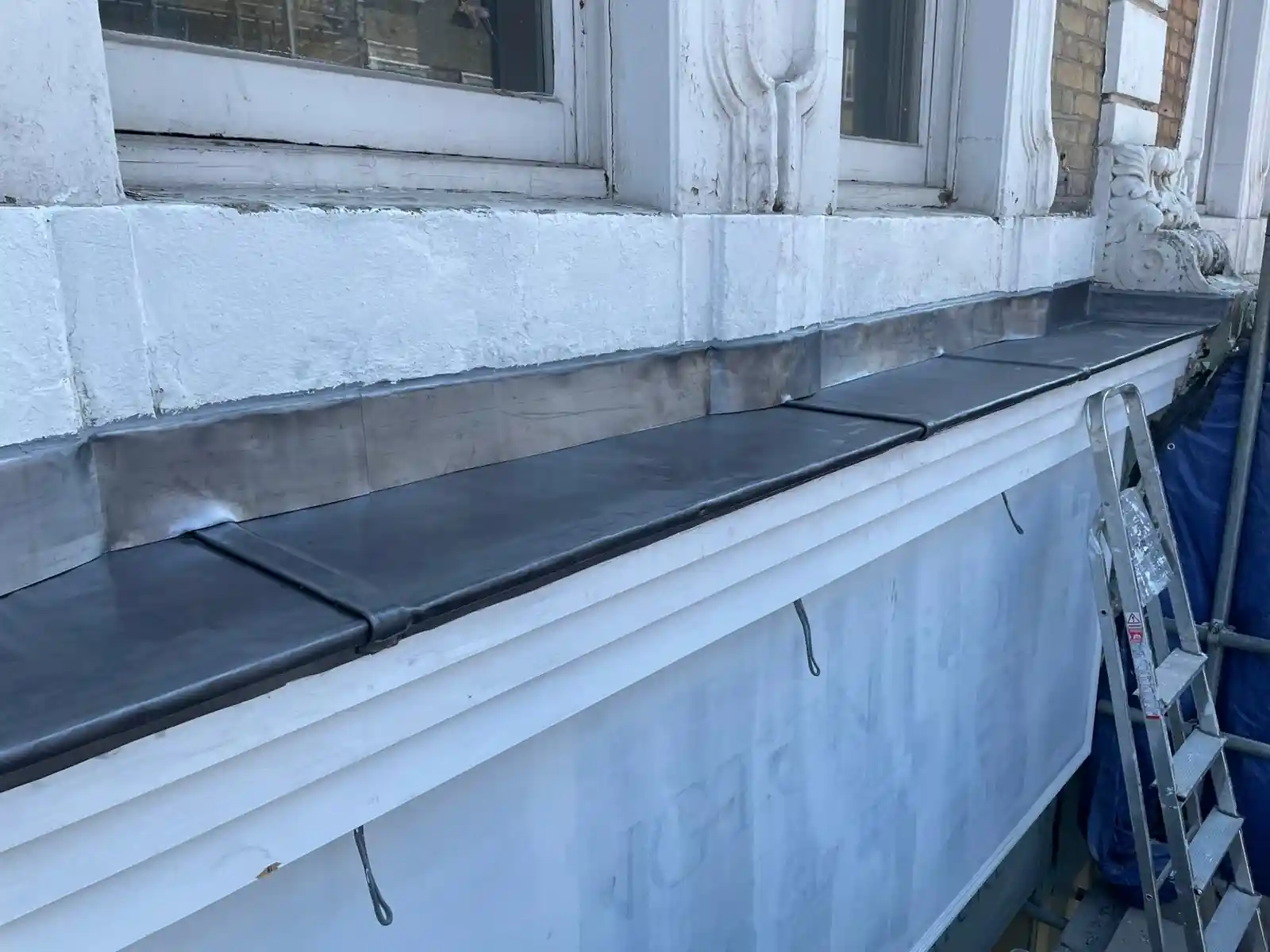
Lead flashing is another common trouble spot. It is the strip of metal that seals the gap between the chimney and the roof. Lead flashing can lift or split over time, especially if it was not installed with an expansion joint. Without that joint, the metal expands and contracts in the heat and cold, and eventually it tears. Water then runs down behind the lead and into the roof structure. I have seen rotting roofing felt and damp rafters from a small lead flashing leak.
How Chimney Repairs Should Be Done
When I talk about chimney repairs Hammersmith, I mean work that addresses the root cause, not just a quick patch. For example, repointing the brickwork is often needed. Old mortar crumbles, and water gets into the joints. Freeze-thaw cycles make it worse. The right mortar mix matters. Too hard a mix can damage old bricks. A good builder uses a lime-based mortar for older houses, so the wall can breathe.
If the chimney pot is loose, the flaunching needs to be replaced. That means mixing a stiff mortar, often with a bit of cement render for strength, and carefully bedding the pot back in. It is a job that takes patience. You have to get the pot dead straight and level. I use a pointing trowel to work the mortar into the joint, then smooth it off so water runs off.
Flue liners are trickier. If the old clay liner is cracked, you might need a stainless steel liner installed. That is a job for a specialist who knows HETAS standards for solid fuel or Gas Safe Register rules for gas appliances. A liner that is not fitted correctly can cause fumes to leak. I always recommend getting a chimney sweep to inspect the flue first, and then a qualified installer to do the liner work.
When to Replace, Not Just Repair
Some chimneys are beyond repair. If the brickwork is bulging or the stack leans badly, it might need rebuilding. I have seen chimneys where the breeze blocks inside the stack have blown apart. Breeze blocks are sometimes used in modern chimneys, and they do not handle heat and moisture well. When they crumble, the whole chimney becomes unstable. In those cases, a rebuild is the only safe option.
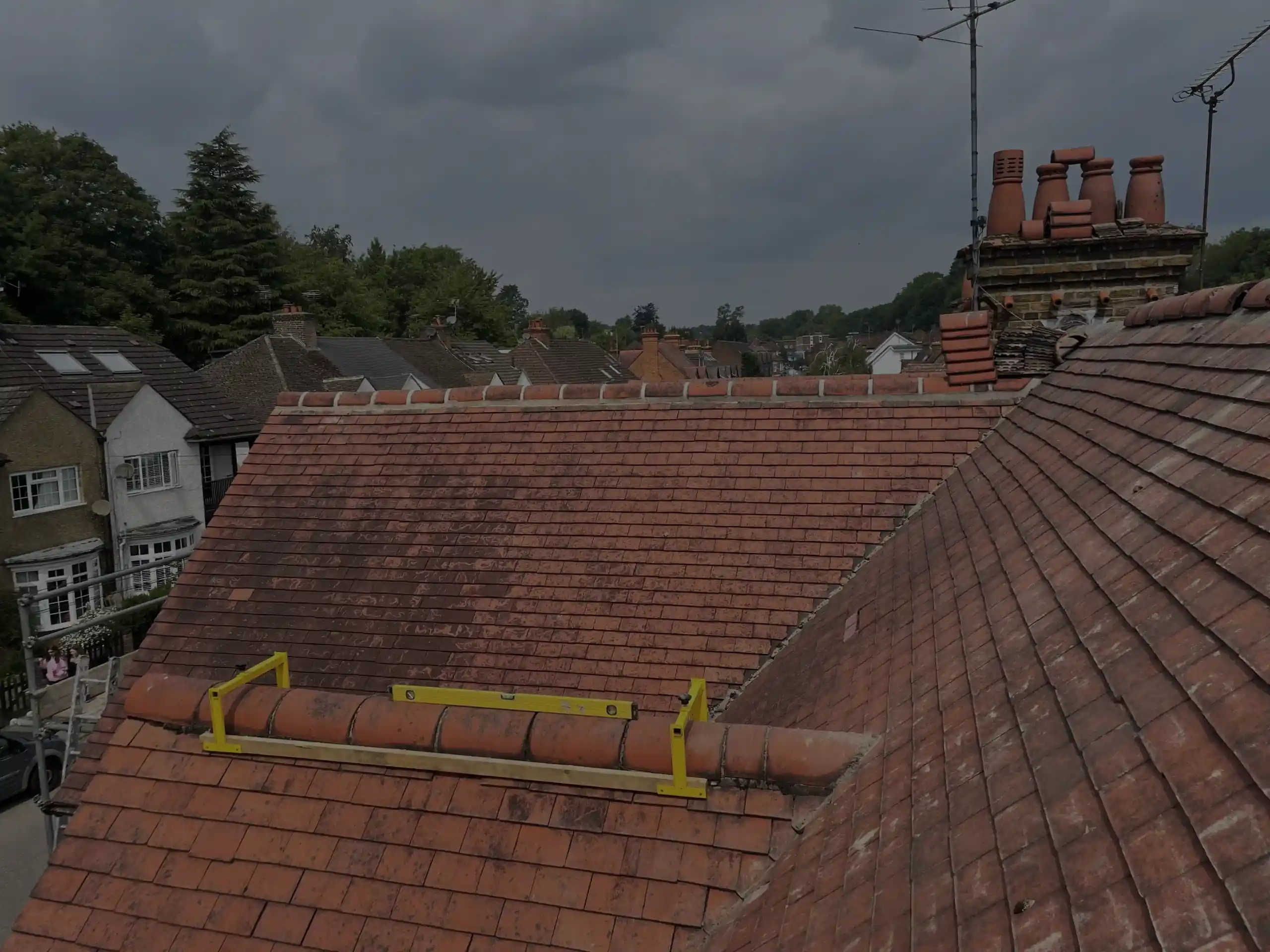
Ridge tiles at the top of the roof also need checking. They are not part of the chimney itself, but they run along the same ridge line. If a ridge tile is loose, it can let water in near the chimney. I always look at the ridge tiles when I do a chimney inspection. One thing leads to another in this trade.
Practical Steps for Homeowners
If you suspect chimney trouble, start with a visual check from the ground. Look at the chimney pot for cracks or a lean. Check the lead flashing for gaps. If you have binoculars, look at the mortar joints. If you see missing mortar or white stains, that is a sign of water damage. Those stains are called efflorescence, and they mean water is moving through the brickwork.
Inside, look for damp patches on the ceiling near the chimney breast. A musty smell can also be a clue. If you have a gas or solid fuel appliance, make sure it has a carbon monoxide alarm nearby. That alarm can save your life.
When you call a roofer, ask about their experience with chimney repairs Hammersmith. A local roofer knows the area's building styles and weather. They should be able to talk about flaunching, lead flashing, and flue liners without you prompting them. They should also know about chimney cowls and storm collars. A chimney cowl sits on top of the pot and stops rain and wind from blowing down the flue. A storm collar is a metal band that seals the gap between the cowl and the pot. These small parts make a big difference.
Materials and Methods I Trust
On the materials side, I prefer a good quality mortar mix for repointing. For flaunching, I use a mix of sand and cement, sometimes with a plasticiser to make it workable. Lead flashing should be Code 4 or Code 5 lead, which is thick enough to last. For flue liners, stainless steel is the standard now. It is flexible and fits inside old clay or brick flues.
One product I have used on tricky chimneys is Cintec. It is a helical bar system that reinforces brickwork from the inside. If a chimney stack is leaning but the bricks are still sound, Cintec rods can pull it back into shape. That saves a full rebuild. It is not cheap, but it is less than rebuilding the whole stack. I have used it on a house in the Hammersmith conservation area, where keeping the original brickwork was important.
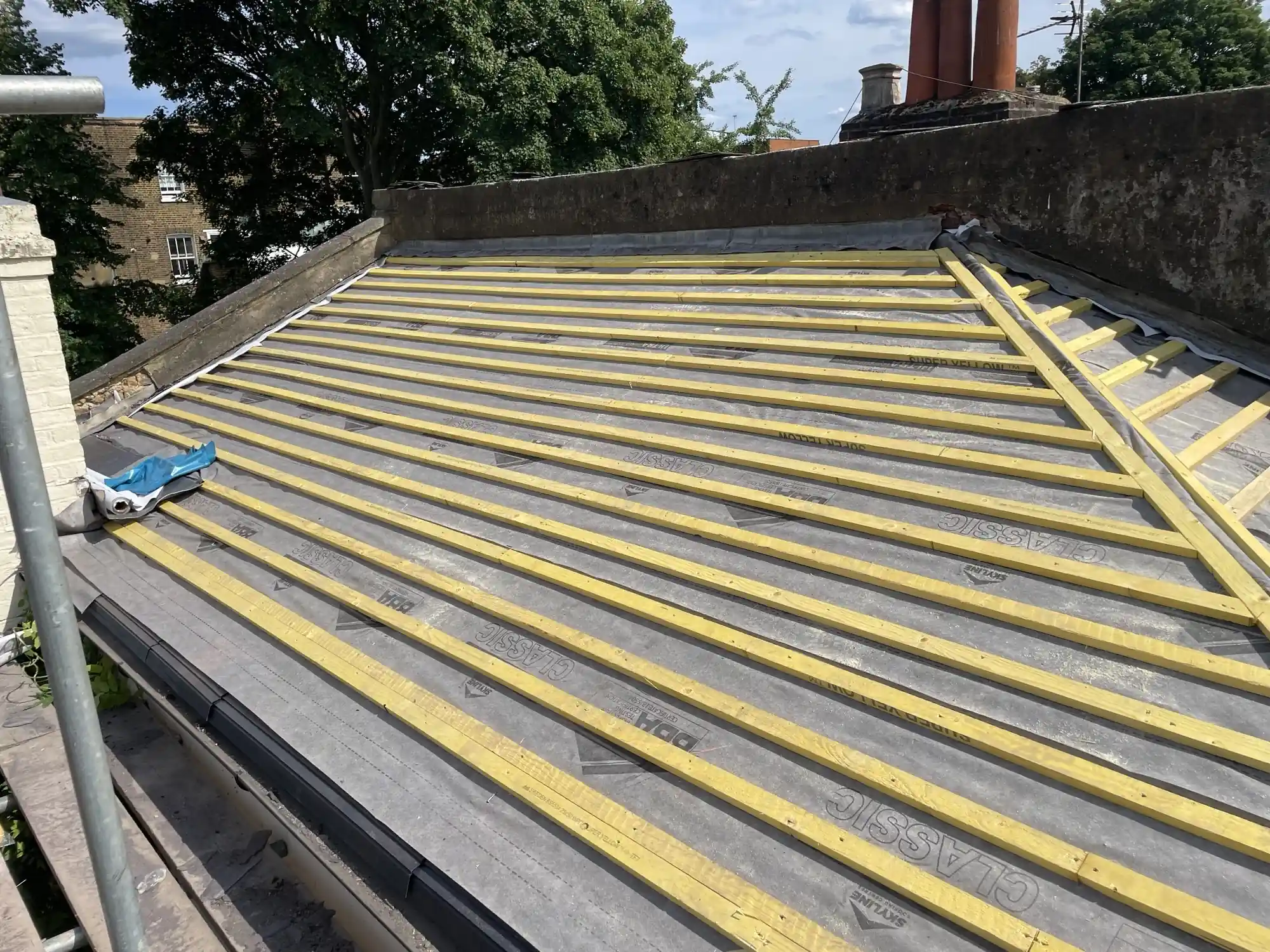
Parapet walls beside chimneys also need attention. A parapet wall is the low wall that runs along the edge of a flat roof. If the coping stones on top are loose, water gets into the wall. That water can then travel sideways into the chimney stack. I always check the parapet wall when I inspect a chimney. The two are linked.
Final Thoughts on Chimney Care
Chimneys are more than just a feature on the roof. They are a working part of your home. Neglecting them can lead to expensive repairs inside the house. A small investment in regular inspections and timely repairs saves a lot of money later. And it keeps your home safe from carbon monoxide and damp.
If you live in Hammersmith and you have an older house, make chimney checks part of your yearly routine. The weather here is not kind to brickwork. But with the right care, a chimney can last another hundred years.